Guides
Med spa service packages: launch order and keep-or-cut test
Which med spa service packages a new owner can launch first, which resource each one uses, and a contribution test for deciding what to keep or cut.
What to take away
- Launch med spa service packages in a deliberate orderneurotoxin first, then peels and facials, then filler, then laser, then device tightening, then a membership.
- Each package needs a named owner, a room, an injector and a rebooking interval before it goes on the menu.
- Name the scarce resource each package uses. Injector hours, a treatment room and a device are what you are really selling.
- Contribution per constrained hour decides what to keep, not margin percentage.
- Requirements for injectables and devices vary by state; confirm with your state medical and nursing boards and with AmSpa state law summaries.
Packaging advice is about business operations, not medical, legal or tax advice. Scope of practice, supervision and device rules vary by jurisdiction, so confirm with your state medical and nursing boards and a licensed attorney in your state.
Start with the scarce resource
Every package competes for one scarce thing: an injector's hours, a treatment room or a device. Write down which one each package uses before it goes on the menu, because that choice sets how many you can sell in a week.
The room economics and workflow behind that choice are worth reading first. A package that uses your busiest injector at your slowest price is the one to redesign. A package that fills a Tuesday morning with an esthetician is the one to promote.
| Package | Scarce resource | Rebooking interval | Launch stage |
|---|---|---|---|
| Neurotoxin (Botox, Dysport, Xeomin, Jeuveau) | Injector hours | 3 to 4 months | First |
| Peel or HydraFacial (SkinMedica, ZO Skin Health) | Esthetician hours, room | 4 to 6 weeks | Second |
| Filler (Juvederm, Restylane, RHA) | Injector hours, product inventory | 6 to 18 months | Third |
| Laser hair removal (GentleMax Pro, Elite+) | Device and treatment room | 4 to 6 weeks | After demand is proven |
| Morpheus8 or Ultherapy | Device and treatment room | 3 to 12 months | After laser |
| Membership plan | Billing and EMR tracking | Monthly | Once tracking exists |
Launch in this order
The order follows what the business can hold, not what sells for the most per visit. Each stage rests on the one before it.
- Neurotoxin.It is the entry offer and the reason most patients call. It also gives you a patient list to sell everything else to.
- Peels and medical-grade facials.These are the low-cost entry and the add-on, and they fill weekday mornings when injectors are idle. Estheticians can often deliver both under their own license, which changes your labor cost.
- Dermal filler.It suits patients who already trust the injector, and it needs a clinician comfortable with vascular complications. Keep a small, fast-moving product range rather than a full catalog.
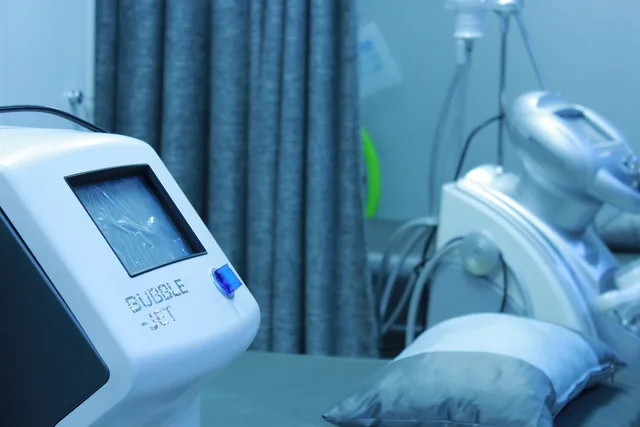
- Laser hair removal.Buy the device after demand is proven, not before. It needs a dedicated room, a trained operator and a maintenance contract.
- Device skin tightening.Morpheus8 and Ultherapy compete for the same device room as laser, so they follow it.
- Membership.Add it last, once you can track what it owes patients.
Scope of practice varies by state, so confirm who may perform each package before it is staffed.
Why neurotoxin goes first
Neurotoxin is the fast, repeatable entry offer, and the patient is already in the chair when you offer the next package. Botox, Dysport, Xeomin and Jeuveau all rebook at three to four months, so the first month's patients return to a schedule you can plan around.
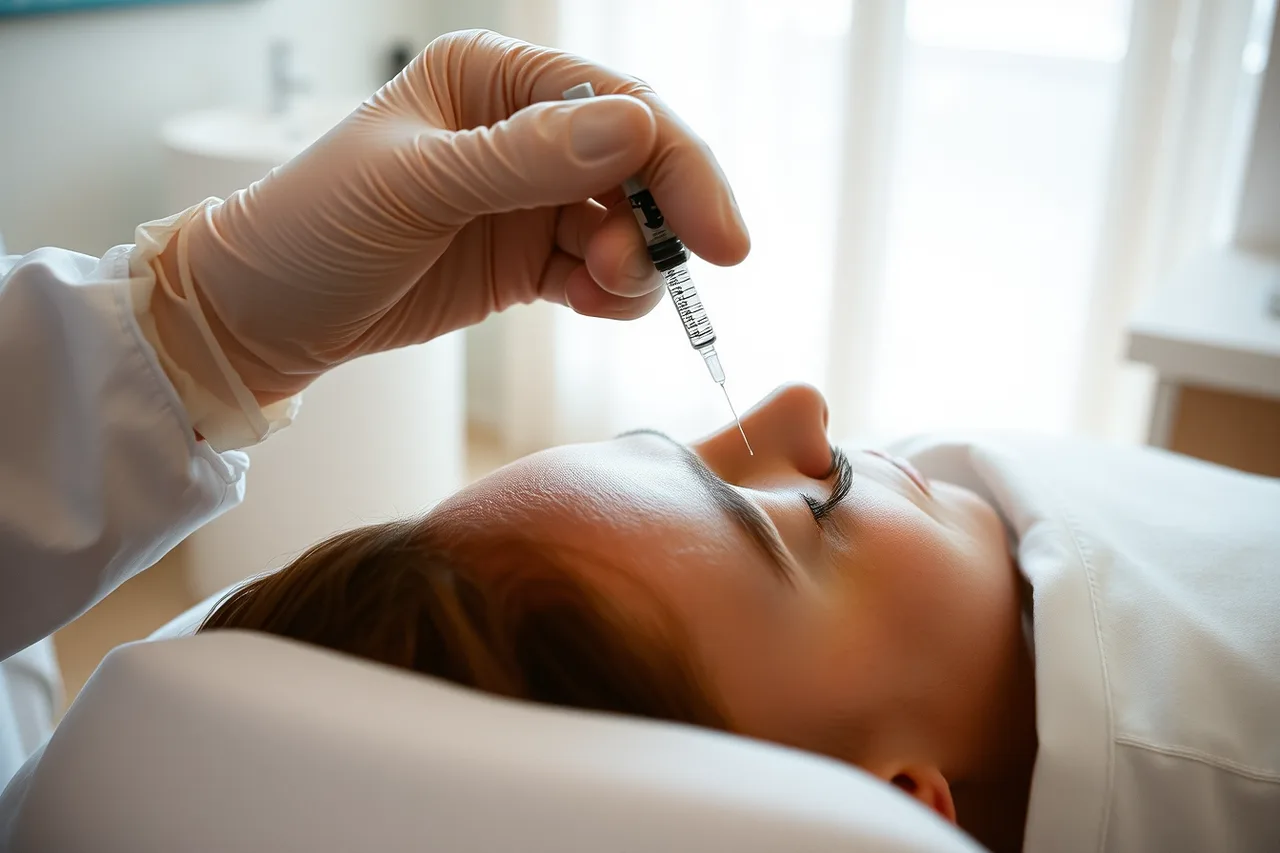
Profit still depends on who injects, which room they use and how often the patient returns. Let the treating clinician set dose under FDA labeling and their specialty board's guidance, and set your price per unit from your own vial cost, not from a competitor's posted menu. The arithmetic is in vial yield and waste.
Fit the later packages to demand
Filler ties up capital in inventory, so stock only what moves. A patient who trusts the injector is the likeliest buyer, which is why filler sits third and not first.
Laser and tightening devices are different. They need a room that can be blocked for hours, and an idle device is a fixed cost with no revenue against it. Prove demand with a waitlist or a partner referral before you commit to equipment, a room and a maintenance contract.
The membership is the last package because it creates a liability you must track. Credit toward treatments is owed to patients, so keep it in your EMR and software, not a spreadsheet. The IRS says you may choose any recordkeeping system suited to your business that clearly shows your income and expenses.
Keep or cut: a contribution test
Run each package through one test: how much contribution does it earn per hour of the resource it uses? Add up device time, room time, operator pay and the maintenance contract spread across the year. Divide the total contribution by the hours the device is actually in use.
Suppose a laser series books six sessions at a set price, say $2,400 for full legs. Work out the contribution per hour of device and room use, then compare it with an injectable room hour in the same room.
If the laser number is lower, the laser is subsidizing itself with your injector's time. You have three moves:
- Raise the series price.
- Move the series to off-peak hours.
- Stop selling it until the device is busier.
The same test works for any package on the menu. Recheck it monthly for injectables, since vial cost and injector pay move, and quarterly for device packages, where the constraint is room time rather than product.
Check before you launch
Advertising claims come first. The FTC's small-business guide says ad claims on the Internet must be truthful and substantiated, so every package page needs a basis for what it promises.
Device claims need their own check. Aesthetic devices may be regulated as medical devices depending on intended use, and procedures carry risks, so state only what the manufacturer's labeling supports.
The fuller menu and how each package is built are in the bundling guide, which covers pairing services into one priced visit.
Common questions
Which package should a new med spa launch first?
Neurotoxin. It is fast, repeatable and the reason most patients call. It also gives you a patient list to sell filler, laser and memberships to later.
Should a new owner buy a laser before demand exists?
No. Prove demand with a waitlist or a partner referral before committing to equipment, a room and a maintenance contract.
How often should package pricing be reviewed?
Monthly for injectables, since vial cost and injector pay move. Quarterly for device packages, where the constraint is room time rather than product.
Can an esthetician deliver every package?
No. Scope of practice varies by state. Confirm with your state medical and nursing boards and with AmSpa state law summaries before assigning any treatment.
What should a starter menu look like?
Neurotoxin, one filler line, one peel, HydraFacial and a membership. That is five packages a small team can hold, with laser added once demand is proven.