Guides
Med spa equipment for a first-time owner for 2027
A first-time med spa owner's 2027 equipment list, from injectables and lasers to consent and recordkeeping, with setup checks before you buy.
What to take away
- Buy the med spa equipment that produces your top three treatments, not the device a distributor is discounting this quarter.
- Every aesthetic device needs a named treating clinician, a written protocol, and a service contract before it goes live.
- Injectable margin lives in vial yield and waste, so price per treatment from your own fill volumes, not a competitor's menu.
- Two devices you rarely use cost more than one you use daily, once floor space, consumables, and downtime are counted.
- Keep purchase, payroll, and asset records the way the IRS expects, because equipment is a depreciable asset, not a supply.
This article covers business and setup decisions only. It is not clinical, legal, or tax advice.
Device selection, supervision, and scope of practice are set by your state medical and nursing boards, the FDA labeling for each device, and a licensed attorney in your state.
Start with the treatments you will actually sell
A first-time owner usually buys equipment before demand exists. The safer order is to decide the service menu, then buy the devices that produce it. Most med spas open with four to six services, so the equipment list follows from that menu.
Core Service Menu Before Equipment
- NeuromodulatorsBotox, Dysport, Xeomin, Jeuveau
- Dermal fillersJuvederm, Restylane, RHA, Sculptra
- Energy deviceshair removal, resurfacing, contouring
- Skin healthfacials, peels, microneedling
- Add IV therapy and hormones later
Everything else, from IV therapy to hormone replacement, adds regulatory weight. Add it when the first four lines are profitable.
Buy in the order your first booked service demands
Work from the first three services you actually book, not a full showroom. The order is treatment table and lighting first, then the injectable cold chain, then the device.
An autoclave or a validated instrument disinfection process is mandatory for any service that breaks skin. That includes injectables, because a needle breaks skin.
Every device carries an FDA clearance or approval tied to a specific intended use. The claim you advertise must match that clearance.
Confirm injector credentialing, supervision, and device operator training before the device goes live.
Consumables belong in a per-treatment budget, not a monthly one: needles, syringes, gloves, gauze, numbing cream, and sharps disposal.
What to buy last: the second energy device, the premium facial platform, and anything you cannot staff or service. A device you rarely use costs more than one you use daily, once floor space, consumables, and downtime are counted.
The 2027 equipment list, by name
These are the categories and brands a first-time owner will meet in 2027. Confirm current models, indications, and clearances with the manufacturer before you sign anything.
Injectables and their storage
Botox and Dysport are botulinum toxin type A, supplied as a powder a licensed provider reconstitutes. Jeuveau and Xeomin compete in the same class, and all four ship by the vial, not by the unit.
Fillers split by chemistry. Juvederm (Allergan Aesthetics) and Restylane (Galderma) are hyaluronic acid gels. RHA (Revance) is HA too, built for areas that move. Sculptra (Galderma) is poly-L-lactic acid, a collagen stimulator rather than a volume filler.
A 100-unit Botox vial typically lists around $600 as of 2026. HA filler syringes typically wholesale between $150 and $400, depending on brand and volume. Track both against your own fill volumes.
You need a locked, temperature-monitored refrigerator, not a kitchen fridge. Vial yield and waste drive your injectable margin, so record how many units or syringes each vial actually produces.
Laser, light, and body contouring devices
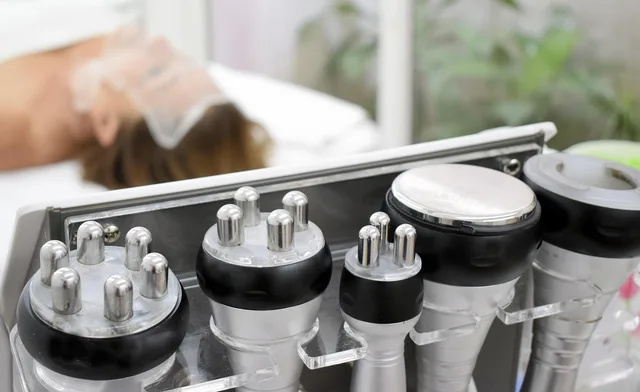
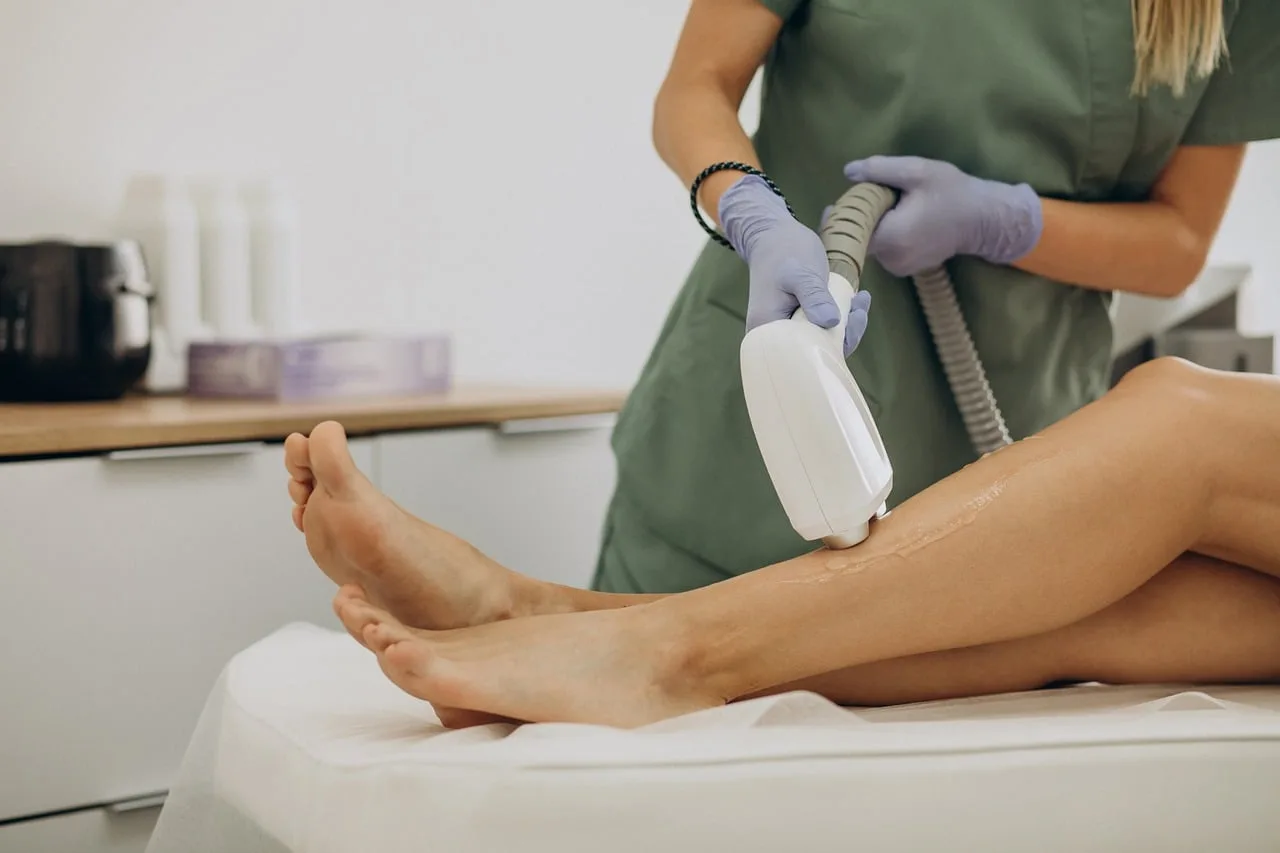
Hair removal and skin resurfacing are the most common first energy purchase, and the biggest capital line in the plan. Prices below are typical U.S. ranges as of 2026, new unless noted.
Laser, light, body contouring
- Candela GentleMax Pro.Dual-wavelength alexandrite and Nd:YAG laser for hair removal and vascular lesions. Typically $100,000 to $150,000 new.
- Cynosure Elite iQ.Laser platform for hair removal across skin tones, with Potenza for radiofrequency microneedling. Bundles typically $80,000 to $150,000.
- Cutera truSculpt.Radiofrequency body contouring, with Secret RF for microneedling. Entry systems typically start near $50,000.
- Lumenis Stellar M22.Intense pulsed light and laser platform for pigmentation, vascular lesions, and hair removal. Typically $80,000 to $120,000 configured.
- Sciton BBL and Halo.Broadband light and hybrid fractional resurfacing, often sold as premium treatments. Typically above $100,000.
- InMode Morpheus8, BodyTite, and Evolve.Radiofrequency microneedling and body contouring platforms. Typically $80,000 to $150,000.
A used Candela or Cynosure can cost a fraction of new, but verify service history and remaining manufacturer support. The new versus used med spa equipment cost guide walks through that trade-off.
Skin and facial equipment
HydraFacial (BeautyHealth) is the most recognized facial platform and often the first non-injectable device a new spa buys. Systems typically run $20,000 to $30,000, with tips and serums adding $25 to $50 per treatment.
SkinPen (Crown Aesthetics) is the microneedling alternative, typically $8,000 to $15,000 for the system, with single-use cartridges around $25 to $40 each. Both need a steady consumable supply, not a one-time machine purchase.
Supporting equipment
Treatment chairs such as the Midmark 230 and 630 typically run $3,000 to $12,000 each. A Tuttnauer or Pelton & Crane autoclave typically costs $2,000 to $8,000, and sharps containers run a few dollars each.
Med spa EMRs such as Aesthetic Record, Nextech, and Boulevard typically charge $150 to $500 per provider per month. Choose one with consent forms, photo storage, and no-show tracking built in. These items are unglamorous and non-optional.
Setup considerations before you buy
Four checks catch most first-purchase mistakes.
- Room and utilities.Confirm voltage, amperage, water, and ventilation against the device spec sheet. A laser that needs a dedicated circuit is a construction project, not a plug-in.
- Who may operate it.Scope of practice and supervision rules vary by state. Name the treating clinician and confirm with your state medical and nursing boards.
- Service and parts.Ask for the current service contract price, response time, and parts availability in writing.
- Consumables.Some devices are cheap to buy and expensive to run. Model the per-treatment consumable cost before you commit.
What the regulators expect
The FTC's health products compliance guidance applies to how you advertise results. Objective health claims need substantiation, and fine print does not fix a misleading ad.
The FDA classifies many aesthetic devices as medical devices based on intended use. Check the FDA aesthetic and cosmetic devices page for the clearance status of any device you consider.
OSHA's safety management guidance covers hazard identification, which matters for lasers, chemicals, and sharps. The IRS recordkeeping rules explain how to document equipment purchases and depreciation.
The first thirty days
- Week 1. List the four to six services you will sell and the device each one needs. Note which are prescription, which are devices, and which are neither.
- Week 2. Price one injectable treatment from your own vial yield. Get quotes on the top two devices, new and used.
- Week 3. Confirm scope of practice and supervision with your state boards. Draft the consent and recordkeeping flow.
- Week 4. Buy one device, not three. Set the service contract, consumable reorder point, and a monthly utilization review.
Common questions
Do I need a medical director to own this equipment?
In most states, yes for anything involving prescription drugs or medical devices. The exact supervision ratio and corporate structure are set by your state medical board and an attorney. Confirm before you sign a lease.
How much should I budget for the first device?
There is no universal figure. Model it as device cost plus installation, plus the annual service contract, plus per-treatment consumables, divided by your realistic monthly treatment volume.
If that number exceeds your projected revenue per treatment, wait.
Can I buy used equipment to save money?
Often yes, with conditions. Verify service history, remaining manufacturer support, and software licensing. Some manufacturers will not service devices bought outside their dealer network.
What records do I need to keep?
Purchase invoices, service contracts, warranty documents, and depreciation schedules. The IRS page above lists the categories. Keep them with your EMR and consent records, not in a drawer.