Guides
Med Spa Equipment Financing Basics
Med spa equipment financing may use a loan, capital lease, or operating lease. Learn how ownership, cash flow, taxes, and upgrade plans affect the choice.
What to take away
- An equipment loan may fit if you plan to keep a device for five or more years; you own it after the final payment.
- An operating lease can reduce monthly outflow, but you return the equipment at the end of the term.
- A capital lease can offer a path to ownership, with the buyout and payment schedule part of the decision.
- State sales tax on leases changes the true cost, so get a written tax calculation for your state.
- None of these options repairs weak demand or a low per-treatment margin.
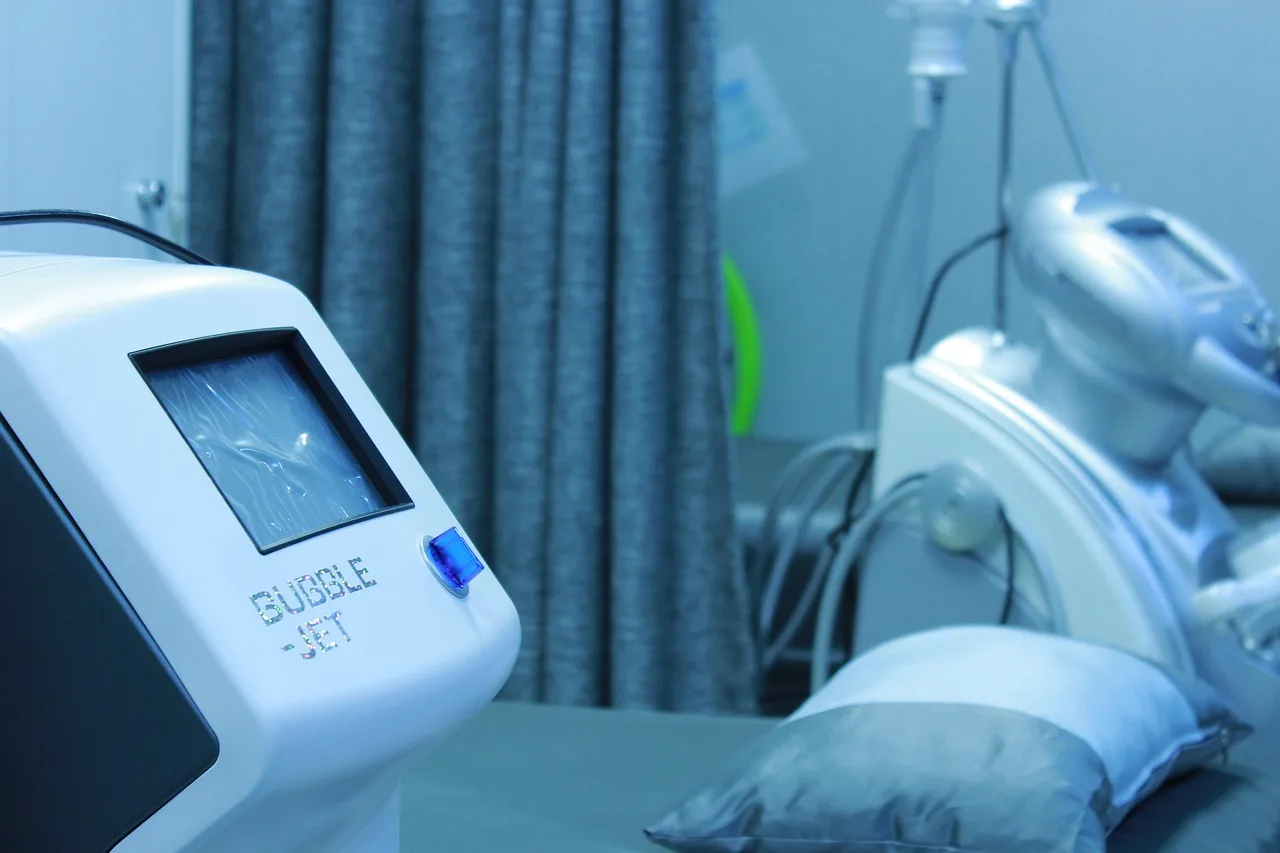
Laser for hair removal or body contouring can run from $80,000 to $250,000 depending on brand and capability, and those are illustrative ranges, not a price quote.
Before you compare terms, the FDA rules on injectables and devices shape a US med spa menu. Ask whether the equipment supports the treatments you will actually sell.
The monthly payment will hit your income statement for years, so the financing choice is as important as the device. Med spa equipment financing can take three forms: an equipment loan, a capital lease, and an operating lease.
The comparison in one look
Equipment loan
- Ownership
- You own after final payment
- Monthly payment
- Highest, because you finance full price
- Section 179
- Available in the year you place equipment in service
- Sales tax
- Paid upfront on purchase price
- Early exit
- Hard, you still owe principal
- End of term
- You keep the asset
Capital lease
- Ownership
- You own after a small buyout
- Monthly payment
- Moderate, often lower than a loan
- Section 179
- Often treated as a purchase for tax
- Sales tax
- Varies by state and lease structure
- Early exit
- Moderate, buyout remains due
- End of term
- You own after buyout
Operating lease
- Ownership
- You return the device
- Monthly payment
- Lowest, based on residual value only
- Section 179
- Usually not available; payments deducted as rent
- Sales tax
- Often taxed on each payment in many states
- Early exit
- Easier if contract permits early return
- End of term
- No asset, but you can upgrade
Ask for a total cost schedule from any lender or lessor: principal, interest, fees, sales tax, and the end-of-term buyout. Monthly payment alone hides too much. A capital lease can look cheaper than a loan until the buyout is added.
Loan vs Lease Criteria
Equipment loan
- Ownership
- Own after final payment
- Monthly payment
- Highest
- Section 179
- Available
- Sales tax
- Upfront purchase price
- Early exit
- Hard
- End of term
- Keep asset
Capital lease
- Ownership
- Own after buyout
- Monthly payment
- Moderate
- Section 179
- Often purchase
- Sales tax
- Varies by state
- Early exit
- Moderate
- End of term
- Own after buyout
Operating lease
- Ownership
- Return device
- Monthly payment
- Lowest
- Section 179
- Usually not
- Sales tax
- Often per payment
- Early exit
- Easier
- End of term
- Upgrade
Compare total after-tax cost over the expected hold period, not the advertised monthly payment. Sales tax and Section 179 treatment can change the comparison.
When an equipment loan may fit
An equipment loan can fit when you plan to keep a device for five or more years and patient volume supports steady use. Because you own the equipment, you can sell it later or keep using it without additional payments. Section 179 may allow a deduction for qualifying equipment; IRS Publication 946 states the current dollar limit and phase-out threshold. The SBA 7(a) loan program can fund equipment purchases with longer terms and lower down payments than many bank loans. A machine tied to a narrow treatment may lose resale value faster than a multi-application platform.
When an operating lease may fit
An operating lease may fit when the device will become outdated in two or three years and you want a predictable monthly cost. In this structure, the lessor retains ownership and the lessee returns the equipment, as this lease overview explains. Payments are lower because you finance only the equipment's expected residual value, not the full purchase price. Many states tax each lease payment as rent, while others tax the purchase price at signing. Ask your state revenue department for a written ruling if the medical device is exempt from sales tax. A shorter upgrade cycle can matter more than total cost if your clients expect the latest technology. Run Med spa pricing math across the US from vial yield to waste before you commit. The monthly payment must fit the contribution margin per treatment, not just the top-line revenue.
Operating Lease Decision
Will device be outdated in 2-3 years?
operating lease wins
consider loan or capital lease
When a capital lease may fit
A capital lease may make sense when you want eventual ownership but need lower payments than a bank loan. The lease is structured as a purchase for accounting purposes, and the lessee can often claim Section 179 if the contract meets IRS requirements. You pay less each month because the buyout at the end releases some cash for other expenses. State sales tax may be due on the full purchase price at lease signing or on each payment depending on the state. Before you add another fixed payment, a Med Spa Cancellation Policy can protect the cash flow that must cover the buyout at lease end.
What all three fail to solve
No financing structure turns an underused laser into profit. Owners who are deciding whether to add semaglutide injections often find that the treatment mix changes how many slots a device can fill. If patient demand cannot support enough booked treatments, the cheapest loan still loses money. An equipment loan, a capital lease, and an operating lease all require you to forecast patient volume, per-treatment margin, and resale value before you sign. None of them removes that forecasting burden.