Guides
How to start med spa operations: key checks
How to start med spa operations by checking scope, ownership, location, devices, staffing, treatment costs and operating controls before committing to a lease.
What to take away
- Two licences gate the doorthe state medical board for the practice and the cosmetology board for skin and nail work. Confirm both before signing a lease.
- Aesthetic devices are FDA-regulated by intended use, so check each device's clearance and labelling before you buy it.
- Price a treatment to carry its own bad daysroom time, consumable, injector pay and a share of the device payment.
- A device out of service in a booked week is lost revenue that no marketing budget replaces.
- Track revenue per treatment room and rebooking rate monthly, not annually.
This article covers business operations only. For operators asking how to start med spa operations, confirm scope, supervision and corporate structure before committing to a space; these vary by state. It is not medical, legal, tax or licensing advice, so confirm the details with your state medical and nursing boards, AmSpa state law summaries and a licensed attorney in your state.
Where the money actually sits
A med spa sells time in a room and the hands in it. Everything else is packaging.
That single fact sets the startup order. You need the licence that lets the work happen, the room that holds the device, and a price that survives a slow Tuesday. Equipment comes after demand, not before it.
Operators who buy a laser first and find patients second carry a payment through months of empty slots. The device does not care.
Operating checks before opening
- Define the services and clinical roles.Map each service to who performs it; confirm scope, supervision and ownership requirements with relevant state boards and licensed health care counsel before choosing a business structure.
- Form the business.After legal structure review, file entity documents with your state's Secretary of State or equivalent, then request an EIN from the IRS using Form SS-4.
- Check operating requirements for the location.Confirm state and local business licenses, tax registrations and service-specific permits. Ask local planning, building and fire officials whether the proposed services are permitted at the address, and identify required zoning approvals, construction permits and a certificate of occupancy or local equivalent.
- Review the lease before signing.Have counsel review permitted-use language, zoning contingencies, who pays for buildout and repairs, rent commencement, utility and HVAC capacity, permit responsibility, and remedies if approvals or construction are delayed.
- Budget buildout and opening costs.Get itemized contractor and equipment quotes. Identify landlord contributions, installation, training, maintenance, consumables and working capital.
- Arrange insurance before opening.Ask a broker about professional liability or medical malpractice, general liability, property, workers' compensation where required, and cyber and privacy coverage.
- Credential and prepare staff.Verify active licenses with issuing boards, and document credentials, scope, required supervision, training and medical director or delegation arrangements before scheduling treatments.
- Complete operating controls.Set up patient-record privacy agreements, written exposure-control and sharps procedures, treatment consent, scheduling and refund policies, and a device-downtime plan.
Licensing comes before the lease
Two boards usually touch a med spa. The state medical board governs the practice of medicine and who may delegate it. The state cosmetology board governs skin care, waxing and nail services.
Which board governs what
State medical board
- Scope
- Practice of medicine
- Delegation
- Who may delegate
- Supervision
- Physician on site or delegated
- Ownership
- Some states restrict
State cosmetology board
- Scope
- Skin, waxing, nails
- Delegation
- Not applicable
- Supervision
- Varies by state
- Ownership
- Not addressed
Which board covers which treatment, and what supervision a physician must provide, differs by state. Some states require a physician on site; others allow delegated protocols. A few restrict who may own the practice at all.
California shows what such a rule looks like in practice. The Medical Board of California's medical spa guidance states that if medical spas are offering medical procedures, they must be owned by physicians. It adds that those treatments must be performed by a physician, or by a registered nurse or physician assistant under the supervision of a physician, and that the supervising physician does not have to be onsite but must be immediately reachable.
Ownership rules of this kind are usually called corporate practice of medicine laws. Where they apply, a corporation that employs physicians in an outpatient clinic generally has to be a professional service corporation controlled by physicians, not an ordinary business corporation. That is why the entity question comes before the lease.
None of that is settled by a national guide. Read your own state's rules through AmSpa state law summaries, then have a health care attorney confirm your ownership and supervision structure before you sign anything.
Devices carry their own rules
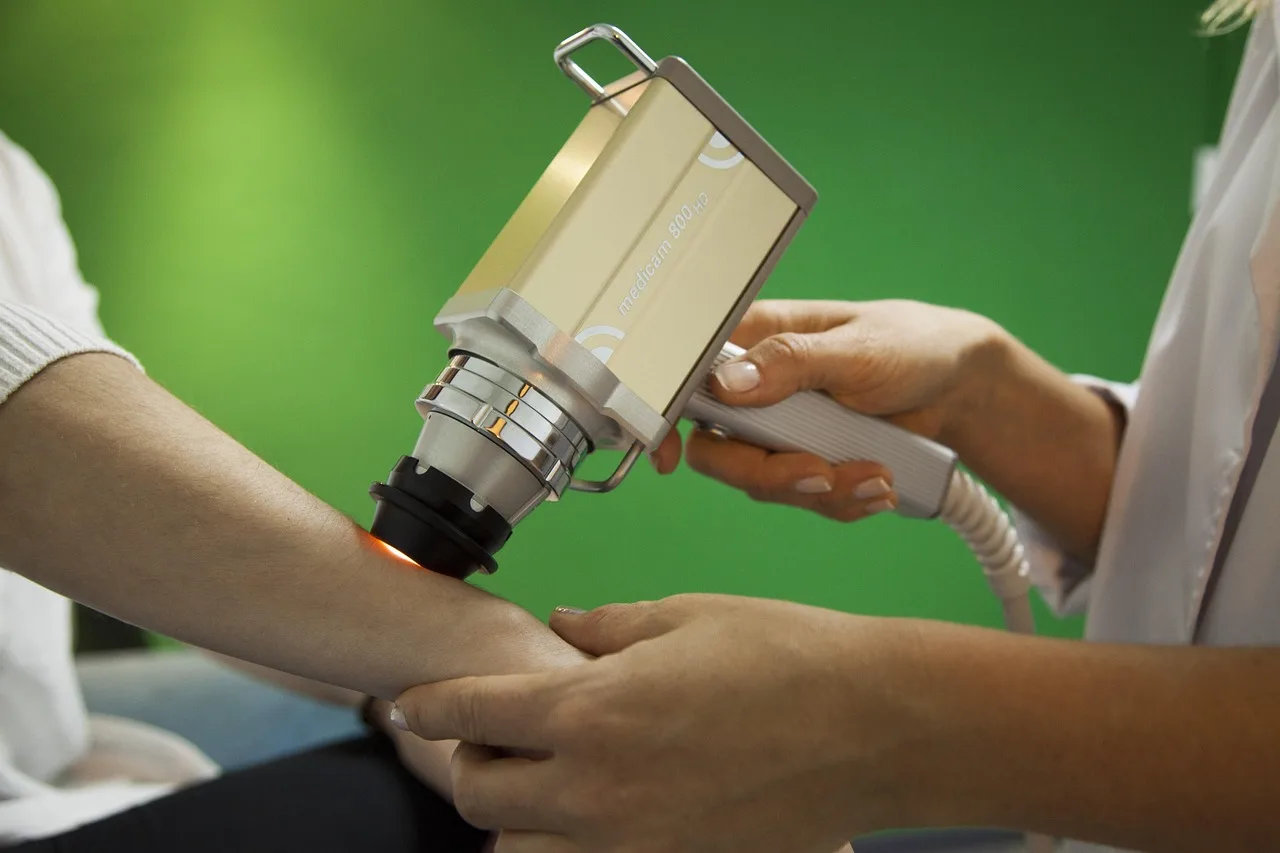
The FDA regulates aesthetic devices by intended use, not by how the marketing describes them. A device cleared to resurface skin is not cleared to remove fat, whatever the brochure implies.
Check the clearance for each device you plan to buy, and read the labeling for the intended patient and the training the maker requires. For applicable devices, verify the exact model's FDA status: 510(k) clearance, De Novo authorization or premarket approval (PMA), as appropriate. The FDA's page on aesthetic and cosmetic devices explains the categories and the risks.
Then ask a harder question: who repairs it, how fast, and what does a service contract cost? A device down for two weeks in December is a booked week of refunds.
Price the treatment, not the menu
Injectables are priced on vial yield. A vial has a fixed number of units, a treatment uses some of them, and what is left over is either used on another patient that day or written off.
Use this cost-floor formula: product cost per treatment + injector labor + room cost for treatment and turnover + medical director allocation + payment fees + per-treatment device reserve + allocated operating overhead. For an injectable, product cost per treatment is vial cost divided by usable units, multiplied by units used, with an adjustment for product that must be discarded. The cost floor covers these expenses; set a higher menu price if you also need a contribution toward profit.
Cost per injectable treatment
- Units per vial divided by units per treatment
- Gives treatments per vial
- Cost per vial divided by treatments per vial
- Gives product cost per treatment
- Add room time, injector pay, director fee
- Add a share of the device payment
- That total is your floor
That total is your floor. Anything below it is a discount you are funding from somewhere else.
The first-year failure list
| Failure | What it looks like | The check |
|---|---|---|
| Equipment before demand | Device payment, empty slots | Booked hours per device per week |
| Underpriced injectables | Busy, no contribution | Product cost against treatment price |
| Misclassified injectors | Payroll surprise at year end | Worker classification review |
| Marketing that never converts | Spend up, consults flat | Cost per booked consult |
| One vague promise | Five services, no specialty | Contribution by service line |
Paperwork that outlives the launch
The SBA business guide walks through planning, permits, insurance and hiring in one place. The IRS starting a business page covers entity choice, tax IDs and recordkeeping from day one.
Two more sit underneath both. HIPAA governs patient records and any vendor who touches them, including your booking software. OSHA governs sharps, bloodborne pathogens and the written exposure plan your staff must be trained on. Under OSHA's Bloodborne Pathogens standard (29 CFR 1910.1030), each employer with employees who have occupational exposure must establish a written Exposure Control Plan designed to eliminate or minimize that exposure.
Who answers which check
Each check in the list above has an owner. Asking the right office first saves weeks of back-and-forth:
- Who may perform and supervise each service:the state medical board, and for nurses and nurse practitioners the state board of nursing.
- Skin care, waxing and nail services:the state cosmetology board.
- Who may own the practice:your state's corporate practice of medicine rules, confirmed by a licensed health care attorney.
- The legal entity:the Secretary of State or equivalent filing office in your state.
- The tax ID:the IRS, through Form SS-4 for an EIN.
- Whether the address can host the services:local planning, building and fire officials, who also issue the certificate of occupancy or local equivalent.
- Each device's clearance and labelling:the FDA.
- Sharps and exposure control:OSHA.
- Patient records and vendors who touch them:HIPAA, applied through your privacy agreements.
Worked example: the December device
A two-room clinic books six weeks of laser packages in November. The device fails in the first week of December.
The clinic refunds or reschedules, pays the service call, and loses the room revenue for nine days. The owner had priced the treatment at the market rate and never added a device reserve.
Estimate annual service-contract and repair costs, plus the contribution margin expected to be lost during downtime; divide that combined annual reserve by annual treatments. Add the resulting reserve per treatment to your cost floor. Then keep a second device or a referral partner for the weeks you cannot serve.
Common questions
Do I need a physician to own or run a med spa?
It depends on your state. Some require physician ownership or a medical director with defined duties; others allow nurse practitioners or physician assistants to practice under delegation. Confirm with your state medical board and a health care attorney before you structure the business.
Can I offer injectables with an esthetician licence alone?
Usually not. Injectables are the practice of medicine or nursing, so the injector needs a medical or nursing credential and whatever supervision your state requires. Estheticians typically handle skin treatments within their own scope. Check both boards.
How do I price a treatment when I do not know my volume yet?
Start with cost per treatment: product, room time, injector pay, medical director fee and a device reserve. That is your floor. Set the price above it and revisit after ninety days of real booking data, not before.
What should I track in the first year?
Revenue per treatment room, rebooking rate, cost per booked consult, and device uptime. Those four show whether demand, pricing and capacity are working together. Add contribution by service line once you have two quarters of data.