Guides
Treating Canadian and cross-border patients at a US med spa
Cross-border med spa operations: travel-timed intake, consent, foreign card payments, remote follow-up and the records a traveling patient leaves behind.
What to take away
- A patient who flies home Tuesday cannot be rebooked Thursday, so travel dates get asked before the deposit is taken.
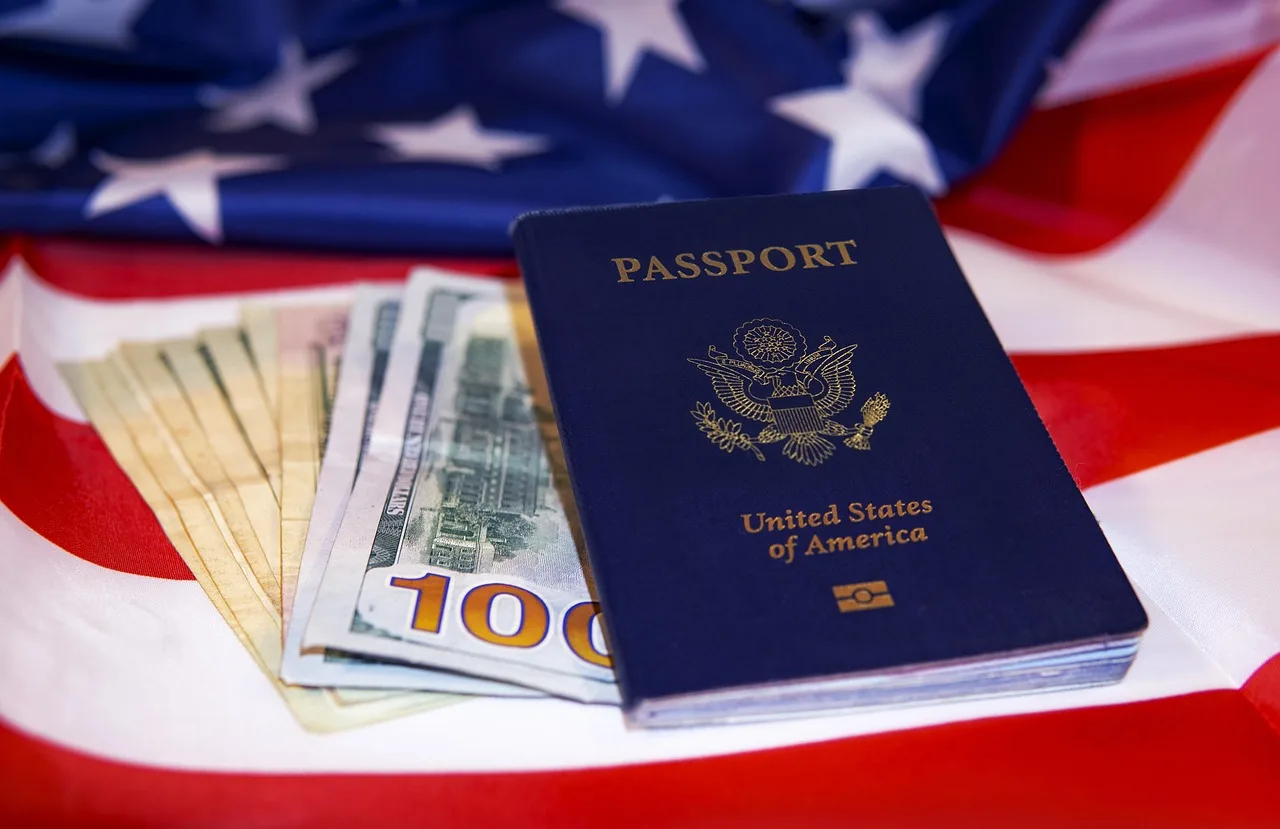
- A Canadian passport proves identity but is not a US government ID; scan it, record the issuing province, and add a second identifier.
- Price in US dollars and say so in writing. The patient's bank sets the exchange rate and may add its own fee.
- Refund only to the card that paid. A card issuer, not your front desk, decides a chargeback six weeks later.
- One named staff member owns the cross-border follow-up list each week, with a backup named in the schedule.
Who counts as a cross-border patient
A cross-border patient's home, payment method and follow-up care all sit outside the United States. Canadians driving down from Ontario or British Columbia are the bulk of them. So are visitors from the UK, Mexico and the Gulf who book around a holiday.
Dual citizens with a US address are a separate case. Treat them as domestic only if they can return for a follow-up visit within a week.
The treatment does not change. The sequence does. A local patient with uneven filler settles gets rebooked Thursday. A patient flying to Toronto Tuesday does not.
That single difference drives every section below.
Intake has to front-load what three visits would catch
Ask when the patient lands, when they leave, and how many full days sit between the appointment and the flight. Two days is workable for most injectables. A same-day departure is not, and the front desk should say so before taking a deposit.
Is the travel window workable?
How many full days between appointment and flight?
Two or more days -> book most injectables
Same-day departure -> decline before deposit
Then ask the return route. A patient driving back to Windsor can return in 48 hours. A patient flying to Vancouver cannot. That answer sets the follow-up plan, the consent language, and whether the treatment should be scheduled at all.
Medical history matters more here, not less. Canadian patients often bring medications dispensed under brand names that differ from US labels. Ask for the generic name and the dose. Blood thinners, isotretinoin and immunosuppressants each change what the treating clinician can safely do.
Record the referring clinician. Many Canadian patients see a family doctor who will want a note, and a one-page treatment summary sent with the patient's written consent saves a phone call later.
Build this as a separate template. Do not bolt travel fields onto the domestic form, because staff skip fields that look optional. A dedicated cross-border intake, checked against your med spa compliance checklist, keeps the travel questions in one place.
Quote the price before confirming the appointment. Travelers compare against home pricing and guess wrong in both directions. A written quote in US dollars, with the conversion shown, prevents an argument at checkout.
Consent, identification and records for international clients
Consent for a traveling patient needs three additions. The form should acknowledge that follow-up happens at a distance, state that the patient will not be seen in person if a complication develops after departure, and name a clinician the patient can reach at home.
Cross-border consent and ID
- Consent notes follow-up happens at a distance
- Consent states no in-person visit after departure
- Name a clinician reachable at home
- Scan passport, health card or provincial license
- Record document type, number, province
- Add second identifier such as date of birth
The HIPAA Privacy Rule governs how you use and disclose the health information you collect, including records sent to a Canadian physician at the patient's request. The HIPAA Privacy Rule | HHS.gov sets those standards, and a signed authorization is the cleanest route for sending records abroad.
Electronic records need matching safeguards. The Security Rule | HHS.gov covers administrative, physical and technical protections for electronic protected health information, which includes the portal a Canadian patient logs into from another country.
Identification is where front desks get sloppy. A Canadian passport, a provincial health card and an Ontario or Alberta driver's license are all valid identity documents. None is a US government ID. Scan the document presented, record the type, the number and the issuing province, and add a second identifier such as date of birth.
Never accept a provincial health card as proof of insurance for US treatment. It is not insurance. Say that at intake so no patient believes the visit will be billed to their home province.
Store the scanned ID apart from the clinical chart where your system allows, and restrict access to staff who need it for billing or verification. Identity documents are a breach risk with no clinical value.
Minors traveling with a parent need the parent present or a notarized consent from the legal guardian. A grandparent bringing a teenager across the border is a common scenario and a common documentation gap.
Language is a records issue. If the patient's first language is French, an English-only consent is weak. Use a translated consent with a certified interpreter present, and document who interpreted and when.
Keep one cross-border flag in the chart. It should trigger the travel intake, the follow-up plan and the payment note. That flag is the cheapest piece of med spa operations you will ever build.
Payment, currency and card processing
Payment is where cross-border bookings fail most often. The patient is present, the card is foreign, and the terminal asks a question the front desk has never seen.
Foreign card payment steps
- Warn patient their bank may block the charge
- Patient approves charge in banking app
- Run card as credit, not debit
- State USD pricing and exchange fee policy
- Refund to the same card, never cash
Most US med spas take Visa and Mastercard, and many now take Amex. Debit cards issued outside the US may not run as credit, and some foreign banks block the charge until the cardholder approves it in their banking app. Warn the patient in the confirmation email.
Currency is the second trap. If you price in US dollars and the patient's card is in Canadian dollars, their bank sets the exchange rate and may add a foreign transaction fee. That fee is not your revenue, but the patient will associate it with your clinic. State the policy in writing.
Decide whether you accept Canadian dollars at all. Most US clinics do not, because the exchange risk and the bank deposit handling are not worth it. If you do, post the rate source and the date it was set.
Deposits are standard for high-ticket bookings. A deposit equal to the cost of the product, not the full service, protects you if the patient does not show. Refund it to the same card that paid it, never in cash.
Refunds are the chargeback risk. A patient who flies home unhappy has one practical remedy: call the card issuer. A written refund policy signed at intake is your best defense, and so is a same-day chart note describing what was discussed and what the patient agreed to.
Surprise billing exposure matters to any clinic that bills insurance, and it is worth understanding even if you are cash-pay. New York's law limits when a patient can be billed for out-of-network care in certain situations, and the Emergency Medical Services and Surprise Bills Law explains how the state handles those disputes.
Check your own state before assuming cash-pay status settles the question.
Keep the payment record complete:
- card type
- last four digits
- billing country
- deposit amount
- balance collected
- the staff member who processed it If a chargeback arrives six weeks later, that record is the whole case.
Run checkout as a fixed sequence so no step depends on memory:
- Confirm the treatment note is signed and the consent scanned.
- Present the itemized balance in US dollars with the deposit deducted.
- Process the remaining balance on the card on file.
- Email a receipt showing the billing currency and the refund policy.
- Hand over the aftercare sheet and the follow-up contacts.
- Note the departure date so the follow-up task fires on time.
Follow-up once the patient leaves the country
Follow-up is the part of cross-border care most clinics underbuild. The patient is gone, the clinic is busy, and nobody owns the check-in.
Remote follow-up schedule
- 48 hoursmessage injectable patients
- Day 3request photos after laser
- Two weekssecond injectable check-in
- After departurehand over records fast
Assign ownership. One clinical staff member holds the cross-border follow-up list each week, with a backup named. That person sends the day-two message, logs the reply, and escalates anything that sounds wrong.
Set the rhythm around the treatment. For injectables, a message at 48 hours and another at two weeks covers most of what can go wrong. For laser and energy devices, add a photo request at day three to catch blistering or pigment change early.
Give the patient a route back in: a phone number that works from Canada, a monitored email address, and a telehealth option if your state allows it. A patient who cannot reach anyone will post publicly instead.
Write the aftercare sheet for a traveler. Swelling on a plane, cabin pressure, alcohol on a holiday, sun at a resort: all of it belongs in the instructions. So does the name of a clinician the patient can see at home if something looks wrong.
Know your limits. If a Canadian patient develops a vascular occlusion or an infection after flying home, the treating clinician there manages it. Your job is to hand over records fast and stay reachable. Build that handover into your med spa sop checklist so it is a task, not a scramble.
Document every remote contact. A phone call about swelling is a clinical encounter. Note the time, what the patient described, what you advised, and who advised it.
Do not prescribe across the border without checking your state rules and your malpractice policy. Sending a prescription to a Canadian pharmacy is not a routine courtesy.
Debrief the case. If a traveler had a rough recovery, ask whether the scheduling, the consent or the aftercare caused it. Most cross-border complications trace back to a booking decision, not a needle.
Marketing to travelers without misleading claims
Cross-border marketing works when it is specific and honest. It fails when it promises a result, a price or a provider the clinic cannot guarantee.
Traveler marketing: say vs avoid
Say this
- Provider
- Name the injector
- Outcomes
- Describe the treatment
- Price
- USD, taxes, deposit
- Photos
- Consented, unretouched
- Logistics
- Airport, parking, hours
Avoid this
- Provider
- Imply physician
- Outcomes
- Promise a result
- Price
- "From $450" alone
- Photos
- Retouched results
- Logistics
- Vague availability
The FTC's business guidance on advertising claims, published as Business Guidance | Federal Trade Commission, covers the standard: claims must be truthful, not misleading, and backed by evidence. That applies to a billboard on the I-5 and to a sponsored post targeted at Vancouver.
Say who performs the treatment. If a nurse injector does the work, say so. Implying physician involvement that does not happen is a state board problem and an FTC problem.
Do not promise outcomes. Before-and-after photos need consent and cannot be retouched in ways that misrepresent results. Ask your state medical board and your malpractice carrier what substantiation they expect for the claims you run.
Price advertising needs the currency and the conditions. "From $450" means nothing to a patient comparing with a clinic in Surrey. State that prices are in US dollars, that taxes are added, and what the deposit is.
Border logistics are legitimate marketing content: distance from the airport, parking, Saturday availability, how long a treatment takes. That is what a traveling patient actually searches for, and it belongs in your med spa marketing and growth plan alongside local campaigns.
Do not imply a provincial health plan covers the visit. It does not, and a patient who believed otherwise will dispute the charge.
Keep testimonials real. A review from a patient in another country is fine if it is genuine and the patient consented to its use. Invented reviews are an enforcement risk in both countries.
Insurance and documentation gaps to close first
Check your malpractice policy for territorial limits and consent-to-settle language. Some policies cover treatment rendered in the US to a non-resident, and some do not say clearly. Ask your broker in writing and keep the answer.
Pre-booking insurance review
- Check malpractice territorial limits
- Ask about telehealth coverage
- Confirm coverage for contract injectors
- Review general liability and cyber coverage
- Check state board consultation rules
Ask about telehealth coverage specifically. If you plan video follow-ups with patients in Canada, the policy needs to contemplate care delivered across a border even when the clinician sits in your US clinic.
Confirm your professional liability extends to the providers who actually treat travelers. Contract injectors, locums and per-diem nurses need their own coverage or yours, in writing.
Review general liability and cyber coverage. A lost laptop holding scanned passports is both a privacy breach and a business interruption, and the HIPAA rules apply to those records regardless of where the patient lives.
State medical board rules on consultation and prescribing for patients you cannot examine in person differ across California, Texas, Florida, New York and the northern border states, and they change. The relevant board, your malpractice carrier and a licensed attorney in that state are the authorities here, not a blog post.
Run this list before the first cross-border booking:
- Cross-border intake template built and tested against a real scenario.
- Consent form covers remote follow-up and out-of-country limitations.
- ID scanning procedure written, with storage separated from the clinical chart.
- Written quote, refund policy and deposit terms signed at intake.
- Named follow-up owner and backup, with a weekly task in the schedule.
- Malpractice, telehealth and contractor coverage confirmed in writing.
- Advertising claims reviewed against FTC and state board standards.
Two smaller items round out the list. Make sure your med spa scheduling rules reserve enough time for a cross-border consult, because a rushed intake is where documentation gaps start. Then keep a one-page summary of the cross-border policy at the front desk so any staff member answers the same question the same way.
Common questions
Can a Canadian patient be treated at a US med spa without a US address?
Yes. A US address is not a legal requirement for treatment. You do need a reliable way to reach the patient after departure, so collect a home address, a mobile number that works internationally, and a local emergency contact.
Is a Canadian passport enough identification for a med spa chart?
It is valid identification, but it is not a US government ID. Record the document type, number and issuing province, and add a second identifier such as date of birth and a phone number.
How should a med spa handle payment from a foreign card?
Price in US dollars, tell the patient their bank may add a foreign transaction fee, take a deposit on the same card, and refund only to that card. Keep the full payment record in case of a chargeback.
What follow-up is realistic once a patient flies home?
A message at 48 hours and another at two weeks, plus a monitored phone line and email. If your state allows telehealth, offer a video check. Document every remote contact as a clinical encounter.